Overview
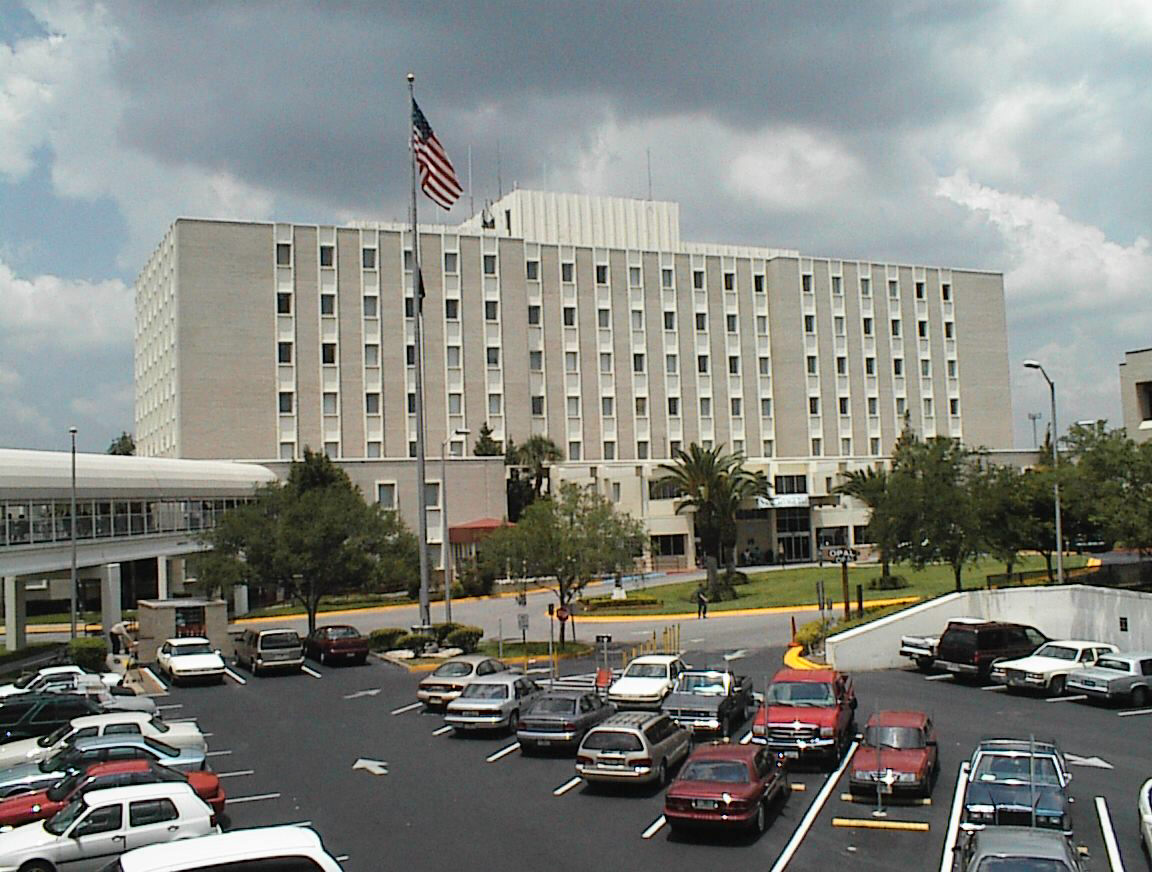
Hospitals, clinics, dentists, veterinarians, and mortuaries all handle medical waste. But they are also subject to the same solid waste, pesticide application, hazardous waste, drinking water, and wastewater requirements other types of facilities must comply with.
In partnership with the EPA, the Healthcare Environmental Resource Center (HERC) provides pollution prevention and environmental compliance assistance information for the healthcare sector. It is intended to be a comprehensive resource, covering all the varieties of hospital wastes, and all the rules that apply to them, including both federal regulations and the specific rules that apply in your state. HERC also includes environmental compliance information for dental offices and assisted living/nursing care communities.
Focus Areas
 Building Construction/Renovation
The construction of new buildings and the renovation of existing buildings can result in construction/demolition (C&D) debris and waste asbestos.
Dental Offices
Healthcare for teeth and gums including cleaning of teeth, extraction of teeth, and treatment of gum disease.
Garbage/Trash/Food Waste
The disposal of paper, cardboard, toner cartridges, waste packaging, plastics, aluminum cans, and glass containers is usually the largest source of solid waste at a federal facility.
Fabrication Shop
Medical facilities may use degreasers in their fabrication shops to remove grease, oil, or other soil from metal, glass, or plastic items. Degreasers are nonaqueous solvents typically composed of petroleum distillates, chlorinated hydrocarbons, ketones, and alcohols.
Grounds Maintenance
Grounds maintenance activities that commonly take place at medical facilities include: landscaping, leaf and brush removal, pesticide and fertilizer application, lawn trimming and lawn mowing maintenance, composting, snow removal and debris cleanup.
Hazardous Materials
Medical facilities use a variety of hazardous materials from toxic cancer treatment drugs to solvents to photographic chemicals and paint.
Hazardous Waste
Wastes generated in hospitals that are hazardous wastes include: glutaraldehyde, mercury, chemotherapy and antineoplastic chemicals, formaldehyde, photographic chemicals, xylene, and scavenging unit charcoal filters.
HVAC
Climate control through the management of air conditioning systems and heating systems.
Incinerators
Methodology for disposal of some medical wastes.
Laundry/Fabric Care
Medical facilities often operate their own laundries, particularly hospitals, for the cleaning of sheets, hospital gowns, blankets, and pillow cases.
Medical Waste
Depending on the regulatory authority, this broad term includes the handling, storage, and management of sharps, blood, pathological waste and infectious waste both for humans and animals.
Pharmaceuticals
Medical facilities use a variety of bioactive substances to treat assorted conditions. It has only been recently that the alarm has been raised about the environmental impact of substances such as prescription and over-the counter therapeutic drugs, veterinary drugs, diagnostic agents, and ultraceuticals (e.g., vitamins.) For a more detailed overview of managing pharmaceutical waste the August 2008 guide published by the Healthcare Environmental Resource Center (HERC) outlines a 10-step approach for managing pharmaceutical waste.
It is common practice at hospitals to return some unused pharmaceuticals to the hospital pharmacy and then to the manufacturer for credit or disposal. However, this option extends only to those pharmaceuticals for which the hospital can receive credit and does not include unused pharmaceuticals that are considered waste (e.g., pharmaceuticals in an intravenous bag, drug samples brought into the hospital). Further explanations of how to handle unused pharmaceuticals can be found in an EPA report on the issue. (http://www.epa.gov/guide/304m/2008/hsi-PRELIM-study-200808.pdf)
Plant Waste
Grass clipping, branches, and other organic waste generated in the process of landscape maintenance.
Sterilization Units
These include steam sterilizers (i.e. autoclaves) , cold sterilizers, gaseous autoclaves, and Ultraviolet autoclaves and sterilizers.
Universal Waste
A classification whereby waste batteries, waste excess pesticides, waste fluorescent tubes do not have to be disposed of as hazardous waste.
Wastewater
Medical Facilities may be discharging their wastewater to a local municipal or county treatment works, operating their own treatment works, and/or discharging directly to the environment. Sources of wastewater could include: boiler blowdown, cooling tower blowdown, domestic wastewater exceeding specified contaminant concentration or flow rate criteria, once-through cooling water, laundry facilities, cafeterias with grease traps, oil/water separator discharges, laboratory discharges, film/X-ray processing, and discharges from drains in maintenance shops.