|
|
General Description
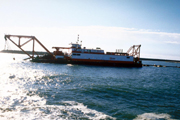
Any activities involving dredging and filling wetlands are permitted by the Army Corps of Engineers. "Dredge" is material that is excavated or dredged from waters of the United States. "Fill material" means any material used for the primary purpose of replacing an aquatic area with dry land or changing the bottom elevation of a water body. The term "fill material" does not include any pollutant discharged into the water primarily to dispose of waste, as that activity is regulated under section 402 of the CWA. The requirement for a permit to dredge or fill a wetland is not regulated by the U.S. EPA. It is regulated by the Corps of Engineers, Department of the Army under Title 33 of the Code of Federal Regulations (CFR). But, the EPA does regulate permits for ocean dumping of dredged material. For details on the Corps of Engineers permitting process and answers to common questions, visit http://www.usace.army.mil/Missions/Civil-Works/Regulatory-Program-and-Permits/.
Summary of Federal Requirements
A Federal facility must obtain a permit from the Army Corps of Engineer prior to dredging or filling any wetlands. In order to determine if you need a permit it is important to understand the definitions of the pertinent terms.
- Discharge of Dredged Material - any addition of dredged material into, including redeposit of dredged material other than incidental fallback within, the waters of the United States. The term includes, but is not limited to, the following (33 CFR 323.2(d)(1) and 323.2(d)(2)):
- the addition of dredged material to a specified discharge site located in waters of the United States;
- the runoff or overflow from a contained land or water disposal area; and
- any addition, including redeposit other than incidental fallback, of dredged material, including excavated material, into waters of the United States which is incidental to any activity, including mechanized landclearing, ditching, channelization, or other excavation.
The term discharge of dredged material does not include the following:
- discharges of pollutants into waters of the United States resulting from the onshore subsequent processing of dredged material that is extracted for any commercial use (other than fill). These discharges are subject to section 402 of the Clean Water Act even though the extraction and deposit of such material may require a permit from the Corps or applicable State section 404 program.
- activities that involve only the cutting or removing of vegetation above the ground (e.g., mowing, rotary cutting, and chainsawing) where the activity neither substantially disturbs the root system nor involves mechanized pushing, dragging, or other similar activities that redeposit excavated soil material.
- incidental fallback.
- Discharge of Fill Material - the addition of fill material into waters of the United States. The term generally includes, without limitation, the following activities: Placement of fill that is necessary for the construction of any structure or infrastructure in a water of the United States; the building of any structure, infrastructure or impoundment requiring rock, sand, dirt, or other material for its construction; site-development fills for recreational, industrial, commercial, residential, or other uses; causeways or road fills; dams and dikes; artificial islands; property protection and/or reclamation devices such as riprap, groins, seawalls, breakwaters, and revetments; beach nourishment; levees; fill for structures such as sewage treatment facilities, intake and outfall pipes associated with power plants and sub aqueous utility lines; placement of fill material for construction or maintenance of any liner, berm, or other infrastructure associated with solid waste landfills; placement of overburden, slurry, or tailings or similar mining-related materials; and artificial reefs. The term does not include plowing, cultivating, seeding and harvesting for the production of food, fiber, and forest products (See 33 CFR 323.4 for the definition of these terms). See 33 CFR 323.3(c) concerning the regulation of the placement of pilings in waters of the United States (33 CFR 323.2(f)).
- Dredged Material - material that is excavated or dredged from waters of the United States (33 CFR 323.2(c)).
- Fill Material - material placed in waters of the United States where the material has the effect of:
- replacing any portion of a water of the United States with dry land; or
- changing the bottom elevation of any portion of a water of the United States.
Examples of such fill material include, but are not limited to: rock, sand, soil, clay, plastics, construction debris, wood chips, overburden from mining or other excavation activities, and materials used to create any structure or infrastructure in the waters of the United States. The term fill material does not include trash or garbage (33 CFR 323.2(e)).
In cooperation with the U.S. Army Corps of Engineers and state and local governments, EPA must evaluate alternative disposal options when deciding the correct placement of dredged material. These options include open-water, inland water, upland, and confined disposal. Please refer to USACE's Dredged Material Management Plan for information about the various disposal scenarios. Through new technologies, such as decontamination, dredged material can become a productive material that can be processed in conjunction with widely used products such as bricks, cement and glass
Dredging operations are also subject to the Clean Air Act (CAA) General Conformity Rule in certain situations. General conformity relates to ports in cases where the port authority is working closely with a federal agency (e.g. US Army Crops of Engineers on a dredging project, for example.) This rule requires consideration of State Implementation Plans regarding national ambient air quality standards.
Summary of State Requirements
This is primarily a Federally regulated issue.
State-by-state guidance concerning wetlands can be found at ENVCAP's Wetlands Information Resource Locator.
Laws and Statutes
Clean Water Act
Clean Air Act
The Marine Protection, Research, and Sanctuaries Act of 1972
|
|
|
|
|
|
|
|